
A Case Study Lens on Large MSO Operations in Virginia
As Virginia’s regulated cannabis market continues to develop, public trust depends on consistent enforcement, transparency, and adherence to cultivation safety standards. Large multi-state operators (MSOs), including companies such as Jushi Holdings Inc., play a significant role in shaping that trust.
Recent concerns raised within the industry suggest that certain compliance mechanisms, particularly those related to pesticide application and restricted access protocols, may be misused in ways that obscure underlying cultivation issues rather than address them.
This article outlines key warning signs, or “red flags,” that regulators, legislators, and the public should understand when evaluating cannabis cultivation facilities.
Understanding REI: What It Is and Why It Matters
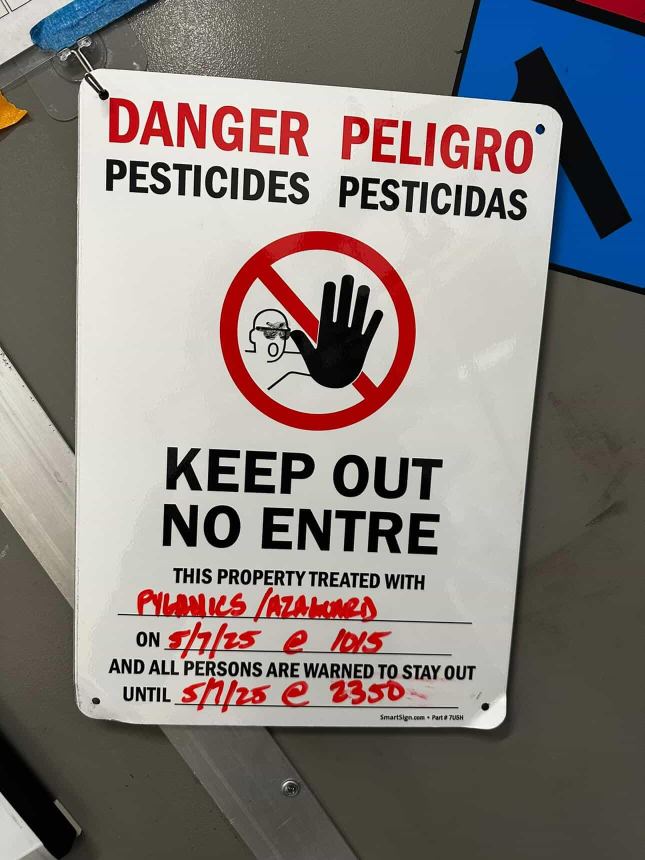
A Restricted Entry Interval (REI) is a safety protocol used after pesticide application. During this period, entry into a treated area is limited to protect workers from exposure.
Proper use of REI includes:
- Clearly posted signage
- Accurate logging of application time and chemicals used
- Restricted access for a defined and compliant duration
However, when misused, REI can become a barrier to oversight rather than a safety tool.
⚠️ Red Flag #1: REI Rooms During Active Light Cycles

What to look for:
- Rooms marked with REI signage during a “lights-on” period
- Multiple rooms simultaneously under REI without clear justification
Why it matters:
Cannabis cultivation is highly scheduled. Spraying during lights-on periods is atypical due to:
- Increased risk of plant damage (leaf burn)
- Higher worker exposure risk
- Reduced pesticide effectiveness in some cases
If inspectors are consistently blocked from rooms during peak operational hours, this may indicate:
- Attempted concealment of pest infestations
- Active remediation of visible plant health issues
⚠️ Red Flag #2: Spray Logs That Don’t Match Tagged Rooms

What to look for:
- Spray logs that list rooms not currently under REI
- Rooms under REI that are absent from logs
- Inconsistent timestamps or missing entries
Why it matters:
Accurate spray logs are a core compliance requirement. Mismatches may indicate:
- Off-record pesticide applications
- Retroactive logging to appear compliant
- Selective documentation to avoid scrutiny
⚠️ Red Flag #3: Non-Standard Spray Timing
Observed pattern of concern:
- Pesticide applications occurring mid day, during lights on cycles
- Example: spraying around 10:00 AM right before a scheduled compliance visit
Why this is unusual:
Most commercial operations prefer evening applications for specific treatments, and have consistent patterns of:
- Spraying right before most employees leave
- Immediate transition into REI periods during the overnight, lights-off period
⚠️ Red Flag #4: REI Used to Deny or Delay Inspection Access
What to look for:
- Inspectors repeatedly told rooms are inaccessible due to REI
- Lack of alternative access scheduling
- High frequency of REI across multiple inspection attempts
Why it matters:
REI is not intended to obstruct regulatory oversight. Persistent inaccessibility raises questions about:
- Compliance transparency
- Facility condition during restricted periods
- Whether REI is being strategically deployed
What Could Be Hidden Behind These Patterns?
While each of these issues may have legitimate explanations individually, patterns matter.
When multiple red flags appear together, they may indicate:
- Powdery mildew outbreaks
- Active pest infestations (mites, aphids, etc.)
- Use of unapproved or improperly applied treatments
- Crop salvage efforts that prioritize yield over compliance
Why This Matters for Virginia
Virginia’s cannabis market is still establishing its regulatory credibility. If compliance systems are used selectively or strategically, it can result in:
- Unsafe products reaching consumers
- Unfair advantages for large operators over smaller, compliant growers
- Erosion of trust in both regulators and license holders
Recommendations for Regulators and Legislators
To strengthen oversight and prevent misuse of REI protocols:
- Require real-time digital spray logging tied to room-level tracking
- Mandate inspection access windows that cannot be overridden by repeated REI use
- Cross-reference environmental data (HVAC, humidity, IPM logs) with spray activity
- Flag repeated mid-day pesticide applications for audit
- Implement random post-REI inspections to verify room conditions
Final Thought
Compliance tools are only effective when used as intended. When safety protocols double as shields against oversight, the entire system is weakened.
Understanding these red flags equips regulators, lawmakers, and the public to ask better questions, demand transparency, and ensure that Virginia’s cannabis industry grows with integrity.