
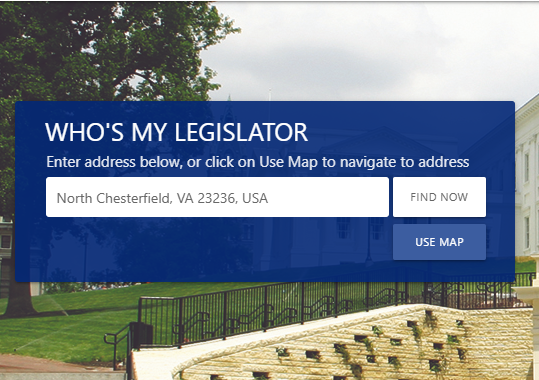
Use the Find your Legislator tool to get the emails to send to.
Write your own or Pick a letter: General Letter, Opposing Corporate Power Giveaways, licensed Virginia hemp grower
Edit your letter and add your personal touch
Send the email, or mail the letter to your legislators.
General Letter
Dear Members of the Virginia General Assembly,
I am <name> add who you are, what you do/ your proximity to cannabis/ how you are currently investing in Va (by living here and having a business here/ do you employee anyone, etc.) and what district you live in.
I am writing to express my support for a fair, competitive, and locally oriented retail cannabis market in Virginia. As you continue shaping the framework for HB 2485 and its related enactments, I ask that you consider how critically important an equal starting point and balanced production limits are for small and local businesses.
A successful and sustainable market depends on all license types having the opportunity to begin operations at the same time. Any staggered start date that favors certain groups or allows a select few to establish a market presence before others would create long term disadvantages for small operators. A synchronized launch date ensures that no one gains an early foothold that can translate into lasting market dominance.
I am also writing to support the proposed canopy limit of thirty five thousand square feet for Tier V cultivation facilities. This level encourages controlled growth while preventing the kind of industrial scale operations that can overwhelm a developing market and push out local farmers. I respectfully oppose any increase to seventy thousand square feet. Larger canopy limits reward well financed operators, reduce competitive diversity, and undermine the goals outlined in the proposed market purpose section. Those goals include strengthening Virginia agriculture, supporting small businesses, and building a decentralized market that avoids the risks of concentration of power.
Keeping the canopy limit at thirty five thousand square feet reinforces those values and helps prevent the consolidation of production capacity into a few corporate hands. A balanced structure benefits consumers, rural economies, and local communities. It also aligns with the intention to create durable businesses instead of encouraging rapid expansion by the largest players.
Finally, I urge you to support policies that keep small businesses competitive and ensure that every participant has a realistic chance to succeed. Virginia has an opportunity to build a responsible and community focused cannabis industry that prioritizes transparency, equity, and healthy competition. These goals are only achievable when the rules avoid structural advantages for the most resource rich applicants.
Thank you for your work and for your consideration of these concerns.
Sincerely,
[Your Name]
Legislative Form Letter Opposing Corporate Power Giveaways
Dear Members of the General Assembly,
I am writing to express my strong opposition to several enactment clauses in the proposed retail cannabis framework that would create significant structural advantages for large corporations while placing small businesses and Virginia farmers at a clear disadvantage. While many portions of the proposal aim to build a fair and sustainable market, the provisions listed below undermine those goals and risk locking Virginia into a corporate dominated model before the market ever opens.
The most concerning items include the following:
1. The ten million dollar pharmaceutical processor conversion fee and streamlined licensing in Enactment Clause 46
This clause creates a direct entry path for large corporations that already operate medical facilities. These companies would bypass competitive review and receive up to nine retail licenses each in exchange for an extremely high payment. No small business could ever access this route, which makes it a wealth based fast lane that grants immediate statewide market dominance to a handful of existing operators.
2. The five hundred thousand dollar conversion fee for a select group of former hemp registrants in Enactment Clause 47
This provision grants priority licensing access to no more than five operators who previously held, then forfeited, VDACS registrations. It does not reward current compliant growers. Instead, it rewards the ability to pay a very high fee. This is another pay to play pathway that excludes the vast majority of Virginia farmers from equal consideration.
3. The priority application queue established in Enactment Clause 49
This section places large corporate applicants ahead of most small businesses in the initial processing order. Temporary microbusinesses are considered first, but immediately after that the Authority is required to process the corporate conversions and the paid hemp fast lane before reviewing standard applicants. This sequencing allows major corporations to shape the early market while smaller applicants wait in line behind them.
4. The mandatory completion of all corporate streamlined approvals before November 1 in Enactment Clause 50
This clause guarantees that large medical operators will be fully licensed and ready for retail sales on day one. Smaller businesses receive no comparable guarantee. The result is a market launch in which corporations occupy prime positions while new local entrants struggle to secure approval in time to compete.
5. The one mile retail buffer in Section 4.1 808 as amended in Enactment Clause 28
A one mile spacing rule dramatically limits the number of possible retail locations. Corporations with capital to secure real estate early can lock down entire regions and prevent later applicants from operating nearby. This creates territorial monopolies rather than a competitive local marketplace.
Together these provisions create a structure where access to capital determines access to licenses. This contradicts the stated purpose of building a decentralized, equitable, and agriculture focused market that supports Virginia businesses. No system should allow any operator to buy preferential treatment or exclusive early access through large payments to the state.
I urge you to amend or remove the corporate fast track clauses and replace them with a licensing system that treats all applicants fairly and evaluates them on readiness, compliance, and community benefit rather than their ability to write a large check. Virginia has the opportunity to build a diverse and competitive cannabis industry. This outcome is only possible if the initial rules prevent consolidation rather than encourage it.
Thank you for your attention to this matter and for your continued work on behalf of Virginia businesses and residents.
Sincerely,
[Your Name]
Enactment Clause 47 letter
Dear Members of the General Assembly,
I am a licensed Virginia hemp grower, processor, and handler. I am writing regarding Enactment Clause 47, which states:
“The CCA shall create a streamlined application process for no more than five industrial hemp processors or growers who are or who were previously registered with VDACS and in good standing with VDACS prior to forfeiting their registration or allowing their registration to expire.”
This provision creates an accelerated pathway into the forthcoming cannabis market for a very small group of former registrants who are permitted to reenter the system through a paid fast track.
While the broader licensing structure remains available to everyone, Clause 47 introduces a separate, preferential process that comes without transparency or public oversight in how those five operators are selected. This raises serious concerns around fairness, public trust, and equal access.
Many Virginia growers have:
• Continued working under VDACS regulations
• Paid all required licensing fees
• Conducted sampling and testing within state guidelines
• Maintained operations despite market volatility and shifting regulations
These operators have shown long term commitment to compliance and public safety, which should be the foundation of eligibility in the new regulated system.
Clause 47 instead prioritizes:
• Operators who left the regulatory program, and
• Those who possess enough capital to buy a faster route to licensure
Government decisions that control market access, especially in a limited licensing environment, must reflect merit and compliance, not simply financial capacity. Virginia should not establish a precedent where regulatory preference is available for purchase.
Fair access should be based on performance and responsibility, not monetary advantage.
I respectfully request that this clause be removed or amended to ensure any streamlined process is open to all compliant Virginia stakeholders, evaluated through clear standards, and subject to accountable selection criteria.
Thank you for your attention to this matter and for your service to Virginia’s agricultural and small business community.
Sincerely,